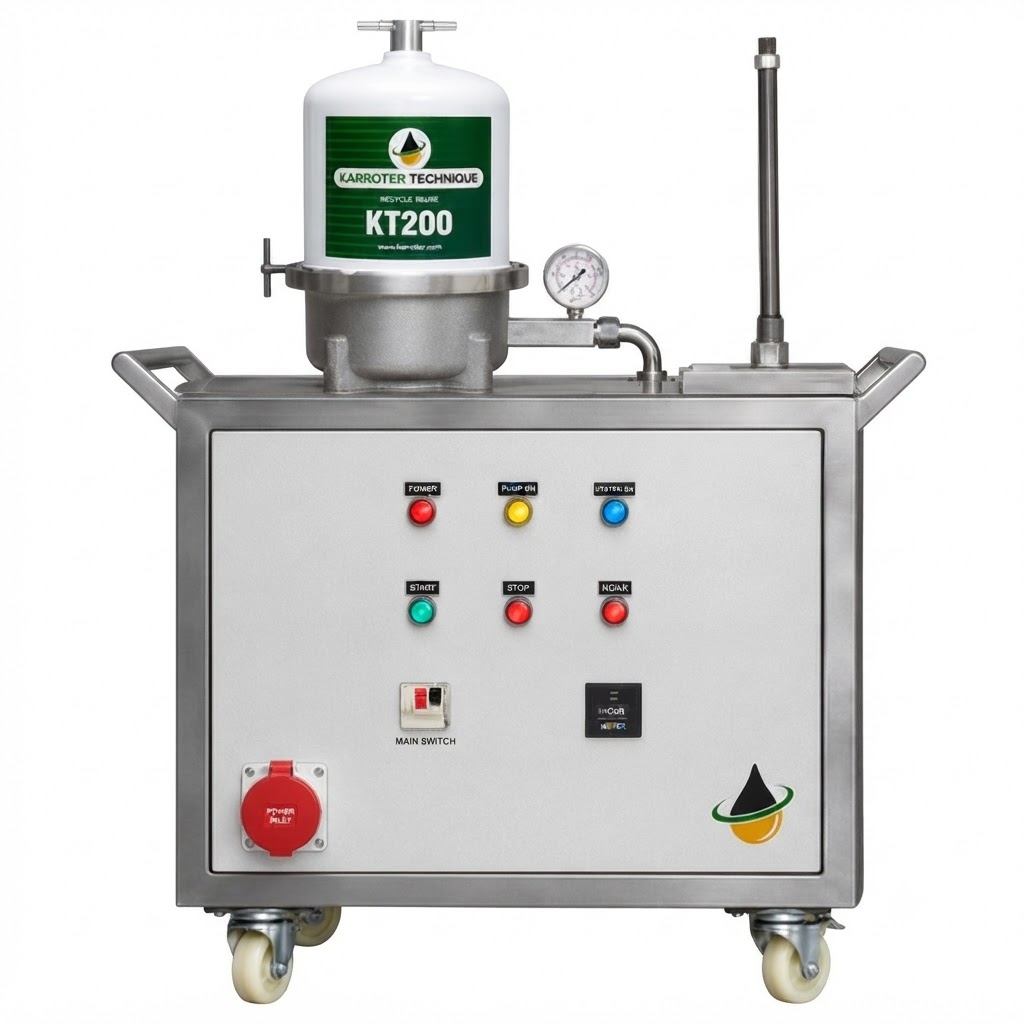
What Is an Oil Purifier? Complete Guide to Oil Purification Machines & Systems
Oil is one of the most important operating fluids used in modern industrial equipment. It lubricates moving components, transfers hydraulic power, reduces friction, controls heat and helps protect machinery during continuous operation. However, industrial oil gradually loses its cleanliness as particles, moisture, sludge and degradation products enter the system. Learn more about our company and industrial oil purification expertise.
Simply replacing contaminated oil is not always the most practical approach. Industries increasingly use oil purification machines to remove specific contaminants and maintain oil in a suitable operating condition. Depending on the application, purification can involve mechanical filtration, centrifugal separation, vacuum dehydration, electrostatic cleaning or a combination of technologies.
An oil purifier therefore plays an important role in preventive maintenance and fluid management. By selecting the right purification method for the actual contamination problem, industries can maintain cleaner oil and support more reliable machinery operation.
- What Is an Oil Purifier?
- Why Is Oil Purification Important?
- Where Does Oil Contamination Come From?
- How Does an Oil Purification Machine Work?
- Main Types of Oil Purification Machines
- Oil Purifier vs Oil Filter: Are They the Same?
- How to Know Which Oil Purifier You Need
- Why Oil Analysis Should Come Before Purification
- Benefits of Using an Oil Purifier
- Applications of Oil Purification Systems
- Oil Purification and Preventive Maintenance
- Important Features to Look for in an Oil Purifier
- Choosing an Oil Purifier Manufacturer
- Oil Purification Is More Than Just Cleaning
- Conclusion
- FAQs
What Is an Oil Purifier?
An oil purifier is equipment designed to separate unwanted contaminants from industrial oil.
The term can refer to different types of purification equipment because different oils and applications have different cleaning requirements.
An oil purification system may be designed to control:
- Dust and dirt
- Metal wear particles
- Solid contaminants
- Free or emulsified water
- Fine suspended particles
- Sludge
- Oxidation products
- Varnish-related contaminants
- Other unwanted substances
The purpose of purification is to improve the cleanliness and condition of the oil so that it can continue performing its intended function within the equipment.
Why Is Oil Purification Important?
During normal operation, oil is exposed to heat, pressure, friction, air, moisture and contaminants from the surrounding environment. Over time, these conditions can affect fluid quality.
Contaminated oil may contribute to:
- Increased component wear
- Blocked or restricted oil passages
- Reduced lubrication performance
- Corrosion
- Sludge formation
- Deposits and varnish
- Reduced hydraulic system performance
- Unplanned maintenance requirements
The actual effect depends on the oil type, machinery design and nature of the contamination.
Regular purification, combined with oil analysis, can help industries identify and manage these issues before they become more disruptive.
Where Does Oil Contamination Come From?
Understanding the source of contamination is an important part of choosing a purification system.
- Environmental Contamination: Dust, dirt and moisture can enter through reservoirs, breathers, seals and maintenance activities.
- Equipment Wear: Moving components can generate fine metal and non-metallic wear particles that enter the lubricating or hydraulic oil.
- Water Ingress: Water can enter through condensation, leaks, cooling systems or humid operating environments.
- Oil Degradation: High temperature, oxidation and prolonged operation can generate sludge, varnish precursors and other degradation products.
- Improper Handling: Poor storage, dirty transfer equipment and open containers can introduce contaminants before oil even enters the machine.
Because contamination has different sources, purification should be selected according to the actual condition of the oil.
How Does an Oil Purification Machine Work?
There is no single process used by every oil purifier.
The working method depends on the type of purification technology installed.
A typical system follows a basic circulation process:
Contaminated Oil → Purification Stage → Contaminant Separation → Cleaner Oil → Return to System
Oil is drawn from a reservoir, tank or machine circuit and passed through the purification equipment.
The purifier separates the targeted contaminants using mechanical, centrifugal, vacuum, dehydration or electrostatic principles.
The treated oil is then returned to the reservoir or collected for further use.
This process can be performed offline, as part of a kidney-loop arrangement, or through an integrated system depending on the equipment configuration.
Main Types of Oil Purification Machines
Choosing the right purifier starts with understanding the available technologies.
Mechanical Oil Filtration Systems
Mechanical filtration uses filter elements to capture solid particles from the oil. It is commonly used for:
- Dust
- Dirt
- Metal particles
- Solid contamination
- General particulate control
It is one of the most common methods of maintaining oil cleanliness.
Centrifugal Oil Purifiers
Centrifugal systems use rotational force to separate contaminants from oil.
The high-speed rotating action can separate suitable particles and heavier contaminants according to their density.
These systems are useful for applications where continuous or offline removal of solid contamination is required.
Vacuum Oil Purification Systems
Vacuum purification uses reduced pressure to assist in removing moisture and certain volatile contaminants from oil.
It can be useful for oils where water contamination is a significant concern.
Low Vacuum Dehydration Machines
An LVDH machine focuses primarily on removing moisture from industrial oil.
Controlled heating combined with vacuum conditions helps separate water from the oil.
It can be considered for hydraulic oil, turbine oil, lubrication oil and other compatible industrial fluids.
Electrostatic Liquid Cleaning Systems
An ELC system uses an electrostatic field to attract and collect selected fine and polar contaminants.
It can be useful for applications involving fine suspended contamination, oxidation products, sludge and certain varnish-forming materials.
Oil Purifier vs Oil Filter: Are They the Same?
Although these terms are sometimes used interchangeably, they do not necessarily describe the same equipment.
An oil filter generally refers to a system that mechanically removes particles using filter media.
An oil purifier is a broader term that can include equipment designed to remove particles, water, sludge or other contaminants through different purification technologies.
For example:
| Equipment | Primary Purpose |
|---|---|
| Mechanical filter | Solid particle removal |
| Centrifugal purifier | Separation of suitable dense contaminants |
| Vacuum purifier | Moisture and volatile contaminant removal |
| LVDH machine | Water and moisture removal |
| ELC machine | Selected fine and polar contaminant removal |
The right solution depends on the oil and the contamination problem.
How to Know Which Oil Purifier You Need
There is no universal oil purifier suitable for every industrial application. Before selecting a system, consider the following factors.
1. Identify the Oil
Determine whether you are treating:
- Hydraulic oil
- Gear oil
- Turbine oil
- Transformer oil
- Compressor oil
- Circulating lubricating oil
- Other industrial fluids
2. Identify the Contamination
This is one of the most important selection steps. Determine whether the oil contains:
- Solid particles
- Water
- Sludge
- Oxidation products
- Varnish-related materials
- Fine suspended contaminants
Different contaminants require different treatment methods.
3. Check Oil Volume
The reservoir capacity and total oil volume help determine the required purifier size.
A small hydraulic system and a large turbine lubrication system will have very different purification requirements.
4. Determine Required Flow Rate
Flow rate affects how quickly the oil can be processed and how frequently the reservoir can be circulated through the purification system.
5. Consider Oil Temperature and Viscosity
Temperature influences oil viscosity and flow characteristics. The purifier should be compatible with the normal operating conditions of the application.
6. Review Existing Equipment
Consider the existing filtration, pumps, reservoirs, cooling systems and other oil-conditioning equipment.
A new purifier should ideally complement the existing setup.
Why Oil Analysis Should Come Before Purification
One of the most effective ways to select the correct purification technology is to understand what is actually happening inside the oil.
Oil analysis can provide information about:
- Particle contamination
- Moisture
- Viscosity
- Oxidation
- Acid number
- Wear metals
- Additive condition
- Overall fluid degradation
This helps answer a critical question: What does the oil actually need?
For example, an oil system with high moisture may require dehydration, while another system with fine oxidation products may benefit from a different purification approach.
Oil analysis therefore helps prevent industries from selecting equipment based only on assumptions.
Benefits of Using an Oil Purifier
- Cleaner Oil: Purification helps remove targeted contaminants and supports better oil cleanliness.
- Machinery Protection: Controlling contamination can help protect pumps, bearings, gears, valves and other components.
- Better Preventive Maintenance: Regular oil purification can become part of a planned maintenance program.
- Reduced Contamination-Related Problems: Maintaining suitable oil cleanliness can help reduce problems associated with excessive particles, moisture or degradation products.
- Support for Oil Reuse: When oil remains chemically suitable, purification can help maintain its usable condition and may support longer service intervals.
- More Consistent Oil Management: A dedicated purification system provides industries with a structured way to manage oil quality instead of relying only on periodic oil replacement.
Applications of Oil Purification Systems
Oil purifiers are used across numerous industrial sectors.
Power Generation
Turbines, generators and associated lubrication systems require controlled oil cleanliness and moisture management.
Manufacturing
Hydraulic presses, machine tools, production equipment and automated machinery can benefit from systematic oil purification.
Steel and Metal Industries
Heavy-duty equipment operates under demanding conditions, making contamination control important for hydraulic and lubrication systems.
Cement Plants
High dust levels and continuous equipment operation make oil cleanliness an important maintenance consideration.
Mining Equipment
Hydraulic and lubrication systems operating in dusty environments can benefit from appropriate oil-conditioning strategies.
Automotive and Engineering Industries
Production machinery, hydraulic equipment and gear-driven systems can use oil purification as part of routine maintenance.
Transformer Applications
Suitable oil purification systems can be used to manage moisture and other contaminants in transformer oil applications.
Oil Purification and Preventive Maintenance
Oil purification becomes more valuable when it is connected with a broader maintenance strategy.
A practical approach can follow this cycle:
Sample → Analyse → Identify → Purify → Monitor → Re-Test
Regular oil sampling provides information about changing fluid conditions. The purification system can then be selected or adjusted according to the actual requirement.
This condition-based approach helps industries move away from purely time-based oil replacement and toward more informed maintenance decisions.
Important Features to Look for in an Oil Purifier
When evaluating an oil purification machine, consider features such as:
- Suitable processing capacity
- Appropriate flow rate
- Reliable pump system
- Effective filtration stages
- Moisture-removal capability where required
- Temperature control
- Pressure monitoring
- Automatic controls
- Safety protection
- Easy maintenance access
- Oil sampling points
- Durable construction
The required features will depend on the purification technology and application.
Choosing an Oil Purifier Manufacturer
The supplier should be able to understand the complete application rather than simply provide a machine based on oil volume. Before selecting a manufacturer, consider:
- Experience with industrial oil purification
- Range of purification technologies
- Machine quality and construction
- Customization options
- Technical consultation
- Installation assistance
- Spare-parts availability
- Maintenance support
- After-sales service
- Understanding of oil-analysis requirements
A technically suitable purification system can provide greater value when supported by proper application guidance and long-term service.
Oil Purification Is More Than Just Cleaning
A modern oil purification strategy is not simply about removing dirt from oil.
It involves understanding:
Oil Condition + Contamination + Equipment Requirements + Purification Technology + Maintenance
For this reason, industries should avoid choosing a purifier only because of its capacity, price or general specifications.
The most suitable solution is the one that addresses the actual contamination problem while fitting the operating requirements of the equipment.
Conclusion
An oil purifier is an important part of industrial fluid management, helping industries control contaminants that can affect oil performance and equipment reliability.
From mechanical filtration and centrifugal separation to vacuum dehydration, LVDH and electrostatic cleaning, different technologies are available for different purification requirements.
The selection process should begin with the oil type and contamination condition. Oil analysis can provide valuable information for choosing the appropriate purification method, while factors such as flow rate, reservoir capacity, temperature, automation and maintenance should also be considered.
With the right oil purification machine or system, industries can build a more structured approach to oil cleanliness, preventive maintenance and equipment care.
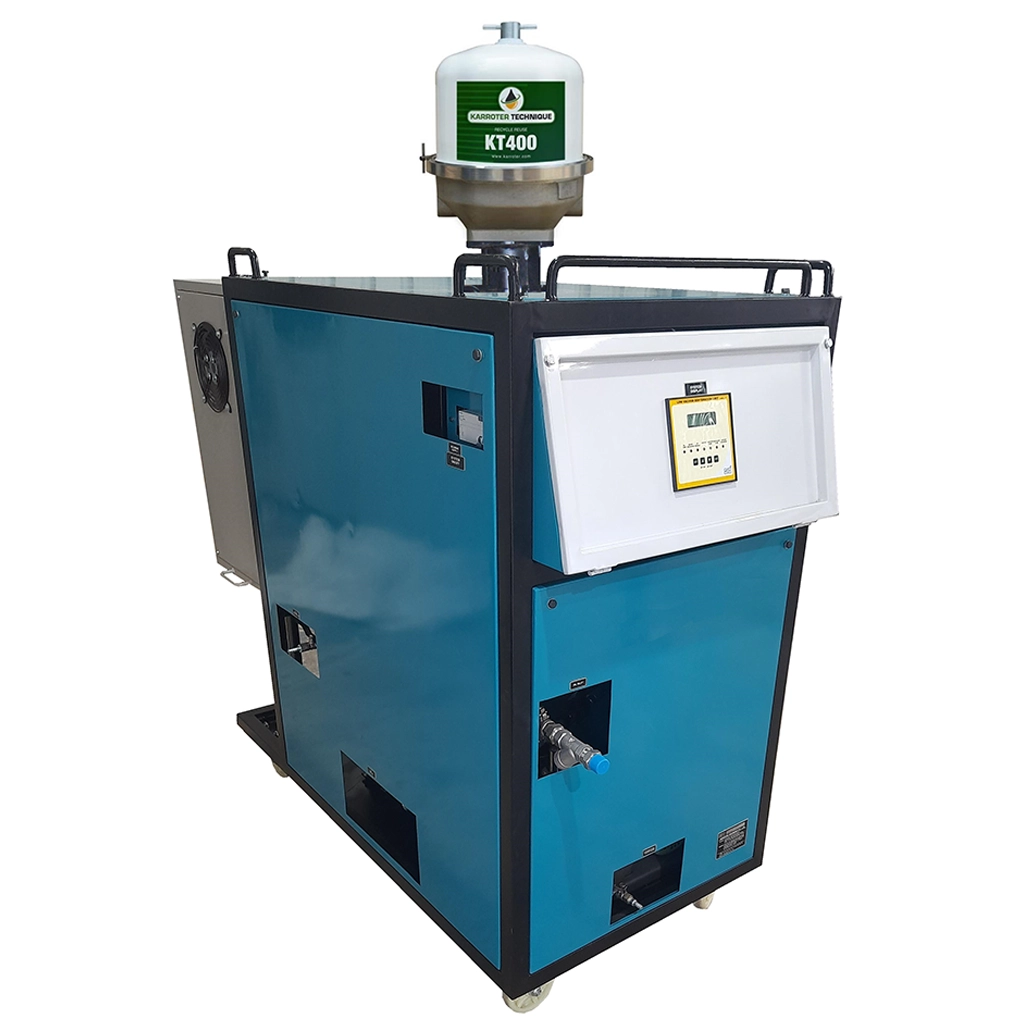
Explore our oil purifier machine to learn more about the equipment and its suitability for your oil purification requirements.
FAQs
An oil purifier is used to remove selected contaminants such as particles, water, sludge, oxidation products or other unwanted materials from industrial oil.
An oil filtration machine generally focuses on mechanical particle removal, while an oil purifier can use several technologies, including filtration, centrifugal separation, vacuum dehydration and electrostatic cleaning.
The suitable method depends on the contamination. Particle contamination, water, sludge and fine oxidation-related materials may require different purification technologies.
Purification can support longer oil service intervals when the oil remains chemically suitable for continued use. It cannot reverse all forms of chemical degradation or restore depleted additives.
Oil analysis is highly useful because it identifies the type and level of contamination, helping industries select a purification technology based on actual oil conditions.
They are used in hydraulic systems, power plants, manufacturing equipment, gearboxes, turbines, compressors, transformers, mining equipment, steel plants, cement plants and many other industrial applications. Visit our home page to explore our solutions, or contact us to discuss your application.
Need help choosing the right oil filtration or purification machine?
Talk to our team with your oil type, volume and contamination details and get a suitable recommendation.
Enquire Now WhatsApp UsExplore our home page for more industrial oil purification solutions, or contact us to discuss your application and requirements.