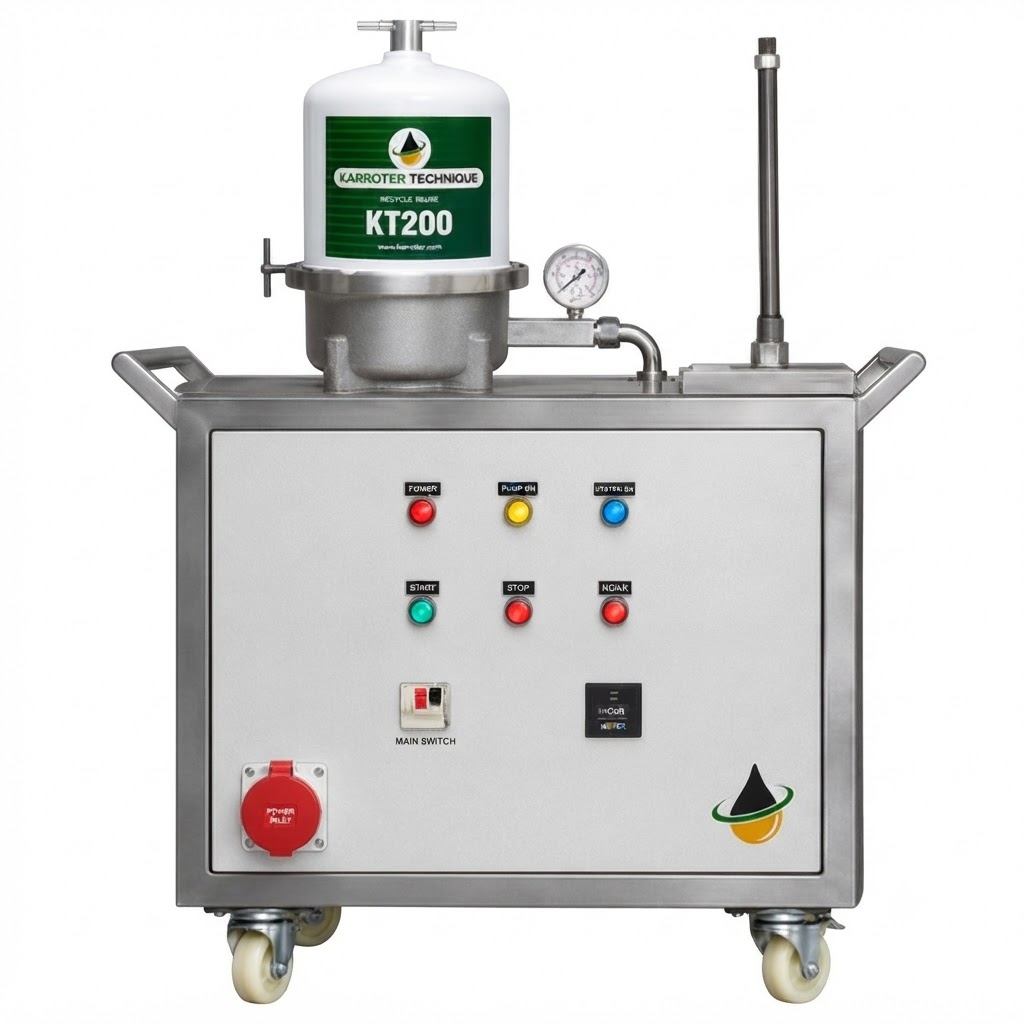
Oil Purifier System for Industrial Plants: Working, Benefits & Applications
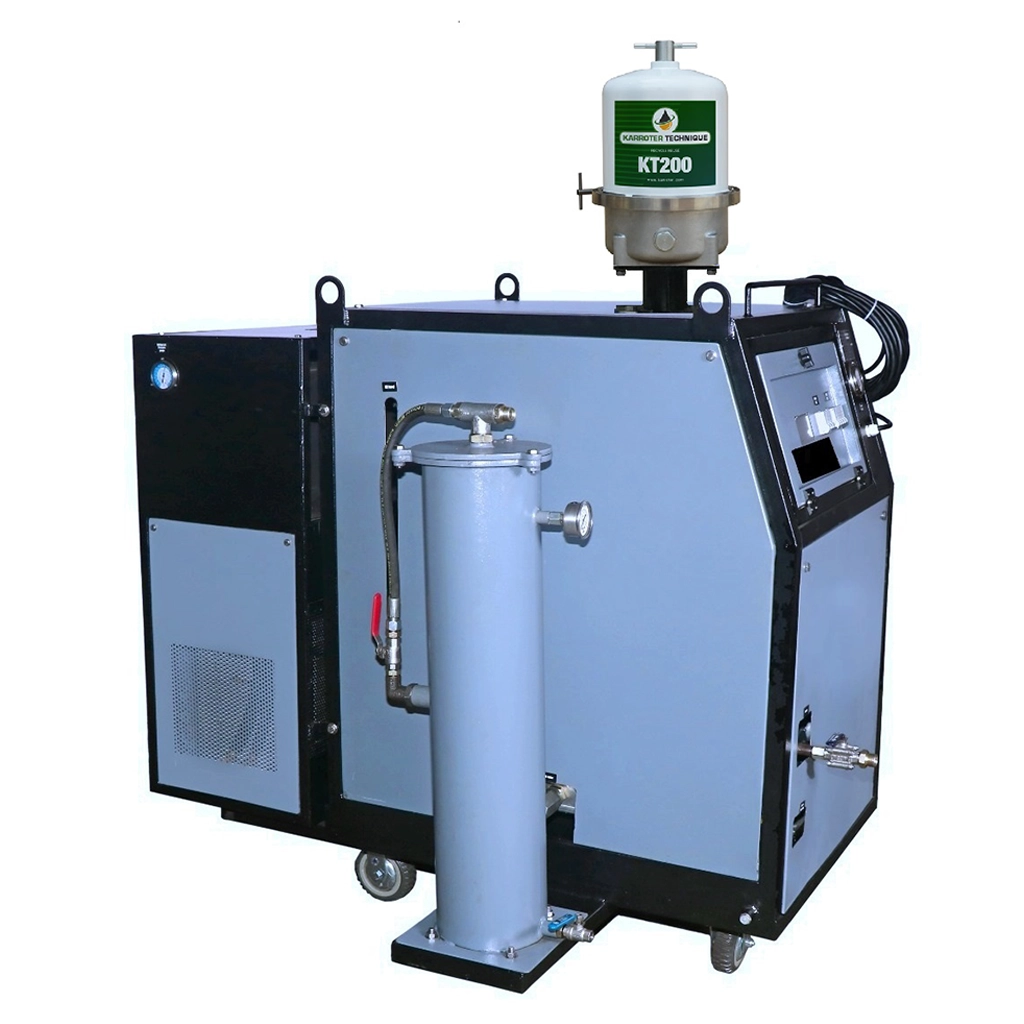
Industrial plants depend on hydraulic oils, lubricating oils, transformer oils, and other process fluids to keep machinery operating smoothly. However, oil can gradually become contaminated with dust, metal particles, moisture, sludge, oxidation products, and other unwanted substances. If these contaminants remain in circulation, they can affect lubrication quality, increase wear, reduce equipment efficiency, and lead to more frequent oil replacement. Learn more about our company and industrial oil purification expertise.
An oil purifier system for industrial plants is designed to remove specific contaminants from used or circulating oil and help maintain its required cleanliness. By selecting the right purification technology for the type of contamination present, industries can improve oil management, support equipment reliability, and reduce unnecessary maintenance interruptions.
- What Is an Oil Purifier System?
- Why Do Industrial Plants Need Oil Purification?
- How Does an Oil Purifier System Work?
- Main Types of Oil Purifier Systems
- Benefits of Using an Oil Purifier in Industrial Plants
- Applications of Oil Purifier Systems
- Oil Purifier vs. Oil Filter: Are They the Same?
- How to Select an Oil Purifier for an Industrial Plant
- How Oil Purification Fits Into Plant Maintenance
- Important Point: Purification Does Not Restore Every Oil Property
- Why Choose the Right Oil Purifier System?
- Conclusion
- FAQs
What Is an Oil Purifier System?
An oil purifier system is an industrial equipment setup used to separate contaminants from oil so that the oil can be returned to service when its condition remains suitable.
Unlike a basic oil filter, which is primarily designed to capture particles of a particular size range, an oil purifier may use different separation technologies depending on the contamination problem. These can include:
- Mechanical filtration for solid particles
- Centrifugal separation for suitable suspended contaminants
- Vacuum purification for water and moisture
- Low Vacuum Dehydration (LVDH) for efficient moisture removal
- Electrostatic Liquid Cleaning (ELC) for selected fine and polar contaminants
The correct system depends on the oil type, contamination level, operating temperature, required cleanliness, flow rate, and industrial application.
Why Do Industrial Plants Need Oil Purification?
Oil contamination is not always visible. A hydraulic system may appear to operate normally while its oil contains fine particles or moisture that gradually affect components.
Common sources of oil contamination include:
- Dust and environmental particles
- Metal wear debris
- Water and atmospheric moisture
- Condensation inside tanks
- Oxidation by-products
- Sludge and varnish-related deposits
- Dirt entering during oil filling or maintenance
- Contaminants generated inside machinery
When contaminated oil continuously circulates, these substances can move through pumps, valves, bearings, gears, cylinders, and other sensitive components.
This makes oil purification an important part of a broader industrial oil maintenance strategy.
How Does an Oil Purifier System Work?
The exact working principle varies according to the purification technology, but the overall process follows a simple sequence.
Oil Collection
Contaminated oil is taken from the machine reservoir, storage tank, lubrication system, or another suitable source.
Pre-Filtration
The oil may first pass through a preliminary filter to remove larger particles and protect downstream purification components.
Contaminant Separation
The main purification stage then targets the specific contamination present in the oil. For example:
- A mechanical filter captures suspended solid particles.
- A centrifugal purifier separates contaminants based on differences in density and centrifugal force.
- A vacuum purification system removes water and moisture by operating under reduced pressure.
- An LVDH system is designed particularly for moisture removal from suitable industrial oils.
- An ELC system uses an electrostatic field to attract and remove selected fine, polar contaminants.
Fine Filtration
Depending on the system design, the oil can pass through additional filtration stages to achieve the required cleanliness.
Clean Oil Return
After treatment, the purified oil is returned to the equipment reservoir or transferred to a clean storage tank for further use, provided its chemical condition remains suitable.
Main Types of Oil Purifier Systems
Different industrial plants face different contamination challenges. Therefore, there is no single purification method suitable for every application.
| Purification System | Main Purpose | Typical Contaminants |
|---|---|---|
| Mechanical Oil Filter | Particle removal | Dust, dirt, metal particles |
| Centrifugal Oil Purifier | Density-based separation | Suspended solids and heavier contaminants |
| Vacuum Oil Purifier | Moisture and water removal | Dissolved water, free water, moisture |
| LVDH System | Dehydration | Water and moisture |
| ELC System | Fine contaminant management | Selected polar contaminants, oxidation-related materials and sludge |
| Multi-Stage Purifier | Combined treatment | Multiple contamination types |
A plant may also use a combination of technologies when its oil requires more than one type of treatment.
Benefits of Using an Oil Purifier in Industrial Plants
A properly selected oil purification system can support both oil-management and maintenance objectives.
- Helps Maintain Oil Cleanliness: Removing unwanted particles and other contaminants helps keep oil within the cleanliness requirements appropriate for the application.
- Supports Equipment Protection: Cleaner oil can reduce the circulation of abrasive particles and other contaminants through sensitive components, helping support the operating life of pumps, valves, bearings, gears, and hydraulic components.
- Reduces Unnecessary Oil Replacement: If contamination is the primary problem and the oil has not undergone significant chemical degradation, purification may allow the oil to remain in service for longer rather than being replaced solely because of contamination.
- Helps Control Moisture: Water contamination can affect lubrication performance and contribute to corrosion and other problems. Appropriate dehydration technology can help control moisture in suitable oils.
- Supports Preventive Maintenance: Regular purification can become part of a planned oil-maintenance program rather than relying only on emergency oil changes after equipment problems occur.
- Improves Oil Management: Purifying oil at the right time can help plants manage stored and circulating oil more efficiently, particularly where large volumes of industrial oil are used.
Applications of Oil Purifier Systems
Oil purifier systems are used across industries where oil cleanliness and condition are important for reliable equipment operation.
Hydraulic Systems
Hydraulic presses, injection molding machines, mobile hydraulic equipment, and industrial hydraulic systems can benefit from appropriate particle and moisture control.
Gearboxes and Lubrication Systems
Gear oils can accumulate wear particles and other contaminants during operation. Suitable purification can help maintain oil cleanliness.
Turbine Systems
Turbine lubrication systems require controlled oil conditions because contamination can affect bearings, valves, and other critical components.
Compressors
Compressor lubrication systems can use oil purification to manage contamination and support reliable lubrication.
Power Generation Equipment
Generators, turbines, transformers, and related equipment may require specialized oil purification depending on the oil type and contamination involved.
Steel and Metal Processing Plants
Heavy industrial machinery can generate significant amounts of particles and contamination. Oil purification can form part of the maintenance strategy for hydraulic and lubrication systems.
Manufacturing Plants
CNC machines, production machinery, hydraulic equipment, and centralized lubrication systems can use purification equipment to manage circulating oil.
Paper and Pulp Industries
Large rotating equipment and hydraulic systems can benefit from controlled oil cleanliness and moisture management.
Mining and Heavy Equipment
Mining machinery operates in demanding environments where dust and other contaminants can enter lubrication and hydraulic systems.
Oil Storage and Maintenance Facilities
Purification systems can also be used for conditioning suitable oil before it is returned to service or transferred into equipment.
Oil Purifier vs. Oil Filter: Are They the Same?
The terms are sometimes used interchangeably, but they do not always mean the same thing.
An oil filter generally focuses on removing particles through a filtration medium. An oil purifier system can involve one or more separation processes designed to address different types of contamination.
For example, if an oil contains both fine particles and significant moisture, a simple particle filter may not solve the complete contamination problem. A system combining filtration with appropriate dehydration technology may be more suitable.
Therefore, the contamination type should be identified before selecting equipment.
How to Select an Oil Purifier for an Industrial Plant
The correct purifier should be selected according to the actual operating conditions rather than simply choosing the machine with the highest advertised capacity.
Important selection factors include:
- Type of oil
- Oil viscosity
- Oil volume
- Required flow rate
- Type of contamination
- Contamination concentration
- Required cleanliness level
- Water content
- Operating temperature
- Required filtration rating
- Continuous or batch operation
- Available installation space
- Ease of filter replacement and maintenance
- Monitoring and control requirements
Oil analysis can provide useful information before selecting a purification method because it helps identify whether the main issue is particles, moisture, oxidation-related contamination, or another condition.
How Oil Purification Fits Into Plant Maintenance
Oil purification should not be viewed as a replacement for good maintenance practices. It works best as part of a complete contamination-control program.
A practical approach is:
Monitor → Analyse → Purify → Verify → Maintain
Regular oil sampling can identify changes in cleanliness, moisture, viscosity, oxidation indicators, or other relevant parameters. Based on the results, the plant can determine whether filtration, dehydration, purification, oil replacement, or another corrective action is appropriate.
This approach can help move maintenance from a reactive model toward more planned oil-condition management.
Important Point: Purification Does Not Restore Every Oil Property
Oil purification can remove certain contaminants, but it does not automatically restore oil that has undergone severe chemical degradation.
For example, purification may not reverse:
- Severe oxidation
- Irreversible thermal degradation
- Significant additive depletion
- Major viscosity changes caused by chemical degradation
- Other permanent changes in oil chemistry
For this reason, oil condition should be evaluated along with contamination levels before deciding whether purification or complete oil replacement is appropriate.
Why Choose the Right Oil Purifier System?
Industrial plants often operate with expensive machinery where unexpected downtime can affect production schedules and maintenance costs. The objective of an oil purifier is therefore not simply to "clean oil," but to provide the right level of contamination control for a specific application.
A suitable system can help plants manage oil cleanliness, moisture, and other contaminants while supporting preventive maintenance practices. The best solution depends on the oil, equipment, contamination profile, operating conditions, and required cleanliness level.
Conclusion
An oil purifier system for industrial plants can play an important role in maintaining the condition of hydraulic, lubricating, and other industrial oils. By removing targeted contaminants such as particles, moisture, sludge, or selected oxidation-related materials, the right purification technology can support cleaner oil circulation and reliable equipment operation.
From hydraulic systems and gearboxes to turbines, compressors, manufacturing equipment, and heavy industrial machinery, oil purification can become a practical part of a condition-based maintenance strategy. However, successful purification starts with understanding the contamination problem and selecting the appropriate technology rather than using the same system for every application.
When combined with regular oil analysis, contamination control, filtration, and planned maintenance, an oil purifier system can help industrial plants manage oil more effectively and make better maintenance decisions.
Explore our oil purification system to learn more about the equipment and its suitability for your oil purification requirements.
FAQs
An oil purifier system is industrial equipment designed to remove specific contaminants from oil, such as solid particles, moisture, sludge, or selected fine contaminants, depending on the purification technology used.
An oil filter mainly removes particles using a filtration medium, while an oil purifier can use different separation technologies to address a wider range of contamination problems.
Yes. Systems using vacuum or dehydration technology can be designed to remove free, emulsified, or dissolved moisture from suitable industrial oils, depending on the equipment and operating conditions.
Purification can help reduce contamination-related degradation and may support longer oil service intervals when the oil remains chemically suitable. It does not reverse severe oxidation or restore depleted additives.
Start by identifying the oil type, contamination type, moisture level, viscosity, oil volume, required flow rate, and required cleanliness. Oil analysis can help determine which purification technology is appropriate. Visit our home page to explore our solutions, or contact us to discuss your application.
Need help choosing the right oil filtration or purification machine?
Talk to our team with your oil type, volume and contamination details and get a suitable recommendation.
Enquire Now WhatsApp UsExplore our home page for more industrial oil purification solutions, or contact us to discuss your application and requirements.