Centrifugal Oil Filtration System: How It Works, Types & Which Filtration Machine to Choose?
Oil plays a critical role in the performance and reliability of industrial machinery. It lubricates moving components, reduces friction, controls heat, and protects internal parts from excessive wear. However, as oil circulates through equipment, it can collect dust, metal particles, carbon deposits, sludge, and other contaminants. If these impurities remain in the oil, they can gradually reduce lubrication efficiency and accelerate component wear. This is where a centrifugal oil filtration system provides an effective solution. Learn more about our company and industrial oil purification expertise.
Unlike conventional filtration methods that primarily depend on filter media, centrifugal filtration uses high-speed rotation and centrifugal force to separate contaminants from oil. The process helps maintain cleaner oil while allowing industries to reduce contamination-related maintenance problems. When incorporated into an appropriate oil-management program, a centrifugal oil filtration machine can help extend oil service life, protect machinery, and improve overall operating efficiency.
- Centrifugal Oil Filtration System
- Centrifugal Oil Filter Cleaning System
- What Is a Centrifugal Oil Filtration System?
- How Does a Centrifugal Oil Filtration Machine Work?
- How Does Centrifugal Oil Filtration Extend Oil Life?
- How Does It Extend Machine Life?
- Types of Centrifugal Oil Filtration Systems
- Applications of Centrifugal Oil Filtration Systems
- Key Benefits of Using a Centrifugal Oil Filtration Machine
- Which Centrifugal Oil Filtration Machine Should You Choose?
- Centrifugal Filtration vs. Conventional Oil Filtration
- Conclusion
- FAQs
Centrifugal Oil Filtration System
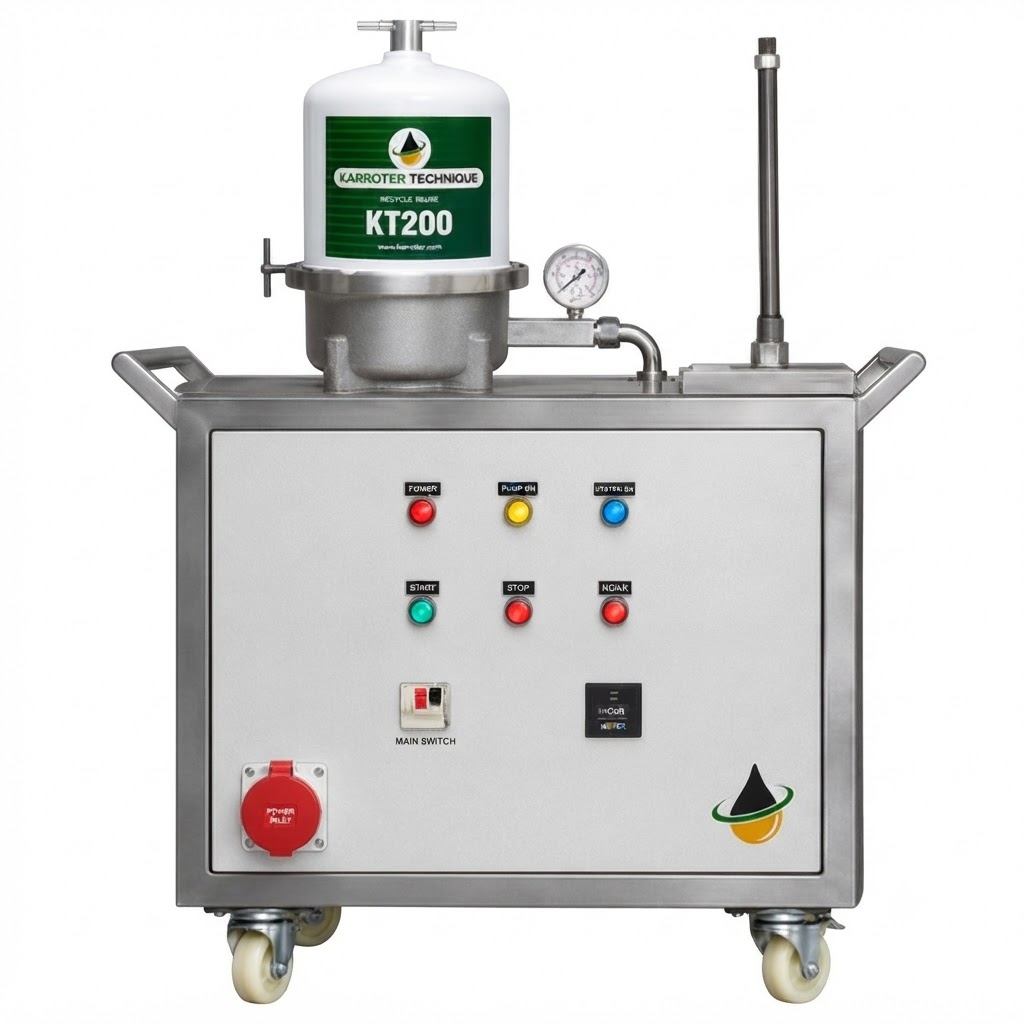
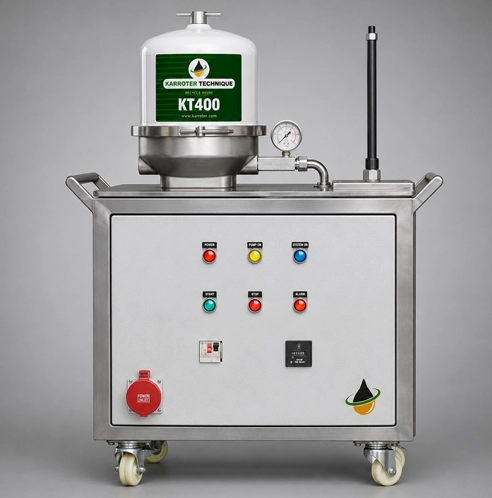
Centrifugal oil filtration system design and supply filtration equipment for industries that require reliable oil purification and contamination control. These manufacturers offer machines in different capacities and configurations according to oil type, viscosity, flow rate, contamination level, operating temperature, and application requirements. Industrial users can select suitable filtration systems for lubricating oil, hydraulic oil, gear oil, engine oil, compressor oil, and other applications. A properly selected system can be integrated into existing oil circulation or maintenance arrangements, helping industries maintain cleaner oil and reduce unnecessary oil replacement and equipment downtime.
Centrifugal Oil Filter Cleaning System
Centrifugal oil filter cleaning system provide advanced oil purification solutions designed to remove contaminants such as dirt, sludge, carbon deposits, metal particles, soot, and other solid impurities from industrial oils. These systems use centrifugal force to separate contaminants from oil, helping maintain oil cleanliness and support the efficient operation of engines, gearboxes, hydraulic systems, compressors, turbines, and other industrial equipment. Manufacturers offer centrifugal oil cleaning systems in different capacities and configurations based on oil type, flow rate, contamination level, operating conditions, and application requirements.
What Is a Centrifugal Oil Filtration System?
A centrifugal oil filtration system is a mechanical oil-cleaning system that separates contaminants from oil using centrifugal force. Instead of relying solely on a conventional filter element to capture particles, the system uses rotational movement to create a powerful force that separates materials according to their density.
When contaminated oil enters the rotating chamber, heavier particles move away from the oil because of the centrifugal force generated by the rotor. These contaminants collect on designated surfaces, while the cleaner oil continues through the system.
The process is particularly useful in applications where oil becomes contaminated with heavier particles, sludge, carbon deposits, and other unwanted materials. Continuous or periodic filtration helps prevent these contaminants from repeatedly circulating through machinery.
How Does a Centrifugal Oil Filtration Machine Work?
The working principle of a centrifugal oil filtration machine is relatively simple but highly effective.
- Contaminated oil enters the system: Oil from a machine, hydraulic reservoir, gearbox, engine, or storage tank is directed into the filtration unit.
- The rotor begins rotating: Inside the filtration system, oil enters a high-speed rotating assembly. The rotation generates centrifugal force.
- Contaminants are separated: Because contaminants are generally denser than oil, centrifugal force drives them toward the outer collection surfaces of the rotor.
- Cleaned oil continues through the outlet: After separation, the cleaner oil leaves the filtration chamber and can be returned to the equipment or oil reservoir.
- Collected contaminants are removed: During scheduled maintenance, accumulated sludge and particles are cleaned from the collection area.
This filtration cycle can be repeated regularly to control contamination and maintain the condition of circulating oil.
How Does Centrifugal Oil Filtration Extend Oil Life?
One of the major advantages of effective oil filtration is its ability to help maintain oil quality for longer periods. Oil does not necessarily become unusable simply because it has circulated through machinery. Contamination is one of the factors that can reduce its useful performance.
Dirt, metal particles, carbon, sludge, and other contaminants can contribute to abrasive wear and further contamination within the lubrication system. By continuously or periodically removing suitable contaminants, centrifugal filtration helps keep the oil cleaner.
Cleaner oil can provide more consistent lubrication and reduce the circulation of abrasive particles. This can help reduce unnecessary oil replacement and support better oil-management practices.
However, filtration does not make oil permanently reusable. Oil can also degrade because of oxidation, thermal stress, additive depletion, moisture, and chemical changes. Therefore, centrifugal filtration should be considered part of an overall oil-maintenance strategy rather than a replacement for oil-condition monitoring.
How Does It Extend Machine Life?
Machinery depends on clean oil to protect components that operate under friction, pressure, and high temperatures. Contaminated oil can carry abrasive particles into bearings, gears, hydraulic components, pumps, valves, and other precision parts.
When these contaminants circulate repeatedly, they may contribute to surface wear and reduced component performance. Maintaining cleaner oil helps minimize the amount of contamination passing through these components.
A centrifugal oil filtration system can therefore support machine reliability by:
- Removing heavier contaminants from circulating oil
- Reducing abrasive particles in lubrication systems
- Supporting consistent lubrication
- Helping protect precision components
- Reducing contamination-related wear
- Supporting longer maintenance intervals where appropriate
- Reducing unexpected downtime caused by contaminated oil
The actual improvement in equipment life depends on the machine, oil condition, operating environment, contamination level, and maintenance practices.
Types of Centrifugal Oil Filtration Systems
Centrifugal filtration systems are available in different configurations to meet specific industrial requirements.
- Automatic Centrifugal Oil Filtration Systems: Automatic systems are designed to reduce manual intervention during filtration. They can be suitable for industrial operations where regular or continuous oil cleaning is required.
- Manual Centrifugal Oil Filtration Systems: Manual systems are generally simpler and may be suitable for applications where filtration is performed periodically. Operators can clean accumulated contaminants according to the machine's maintenance schedule.
- Portable Centrifugal Oil Filtration Machines: Portable systems can be moved between different machines, tanks, or service locations. They can be useful for maintenance teams working with multiple oil reservoirs.
- Industrial Centrifugal Oil Filtration Systems: High-capacity industrial systems are designed for demanding applications where larger oil volumes and continuous operation require robust filtration equipment.
The appropriate configuration depends on oil characteristics, required flow rate, contamination conditions, and operating requirements.
Applications of Centrifugal Oil Filtration Systems
Centrifugal oil filtration technology can be used in many industries where oil cleanliness is important. Typical applications include:
- Hydraulic systems
- Gearboxes and gear drives
- Industrial lubrication systems
- Diesel and engine oil applications
- Compressors
- Turbines
- Heavy machinery
- Manufacturing equipment
- Power-generation equipment
- Automotive and engineering machinery
Before selecting a filtration machine, the oil type and equipment manufacturer's filtration requirements should be evaluated.
Key Benefits of Using a Centrifugal Oil Filtration Machine
A properly selected centrifugal filtration machine can provide several operational benefits.
- Improved oil cleanliness: The system helps remove suitable contaminants from circulating oil.
- Reduced oil replacement: Maintaining cleaner oil may help reduce unnecessary oil changes, depending on oil condition and application.
- Better equipment protection: Removing abrasive contaminants can help protect components exposed to circulating oil.
- Lower maintenance requirements: Better contamination control can support more reliable equipment operation.
- Reduced filtration waste: Certain centrifugal systems do not require frequent replacement of conventional disposable filter elements.
- Improved operational efficiency: Cleaner oil can contribute to consistent lubrication and equipment performance.
Which Centrifugal Oil Filtration Machine Should You Choose?
Choosing the right filtration machine should begin with the actual application rather than simply selecting a machine based on capacity.
First, determine the type of oil being filtered and its viscosity. Next, identify the oil volume and required flow rate. The type, size, and concentration of contamination should also be evaluated.
Other important considerations include:
- Required filtration capacity
- Operating temperature
- Oil viscosity
- Contamination characteristics
- Continuous or batch filtration requirements
- Available installation space
- Cleaning and maintenance requirements
- Automation level
- Construction material
- Compatibility with existing equipment
For complex industrial applications, discussing these parameters with experienced centrifugal oil filtration system manufacturers can help identify an appropriate configuration.
Centrifugal Filtration vs. Conventional Oil Filtration
Both centrifugal and conventional filtration methods can play an important role in oil contamination control. Conventional filters generally capture contaminants as oil passes through a filter medium, while centrifugal systems separate contaminants through rotational force.
The choice depends on the application. In some systems, centrifugal filtration may be used independently, while in others it can complement conventional filtration to provide broader contamination control.
The most suitable approach depends on particle size, contaminant type, oil properties, required cleanliness level, flow rate, and equipment specifications.
Conclusion
A centrifugal oil filtration system is more than a method of removing visible impurities from oil. When correctly selected and maintained, it can become an important part of an industrial contamination-control strategy. By using centrifugal force to separate suitable contaminants, the system helps maintain cleaner oil and reduces the circulation of unwanted particles through machinery.
Cleaner oil can support better lubrication, reduce contamination-related wear, and help extend the useful service life of both oil and machine components. At the same time, centrifugal filtration does not eliminate every cause of oil degradation. Oxidation, moisture, additive depletion, thermal stress, and other factors must also be considered.
For this reason, the right centrifugal oil filtration machine should be selected according to the oil type, equipment requirements, contamination level, flow rate, and operating conditions. With proper filtration and regular oil-condition monitoring, industries can build a more reliable and efficient approach to machinery maintenance.
Explore our centrifugal oil filtration system to learn more about the equipment and its suitability for your oil purification requirements.
FAQs
Its main purpose is to separate suitable contaminants such as sludge, metal particles, carbon deposits, and other heavier impurities from oil using centrifugal force.
It can help extend oil service life by controlling contamination, but oil condition also depends on oxidation, temperature, moisture, additive condition, and other factors.
Maintaining cleaner oil can help reduce contamination-related wear on components, which may support longer equipment service life when combined with proper maintenance.
They can be used in manufacturing, engineering, power generation, automotive, heavy machinery, hydraulic systems, compressors, turbines, and other oil-dependent applications.
Consider the oil type, viscosity, contamination level, required flow rate, oil volume, operating temperature, filtration frequency, installation conditions, and equipment requirements before selecting a machine. Visit our home page to explore our solutions, or contact us to discuss your application.
Need help choosing the right oil filtration or purification machine?
Talk to our team with your oil type, volume and contamination details and get a suitable recommendation.
Enquire Now WhatsApp UsExplore our home page for more industrial oil purification solutions, or contact us to discuss your application and requirements.