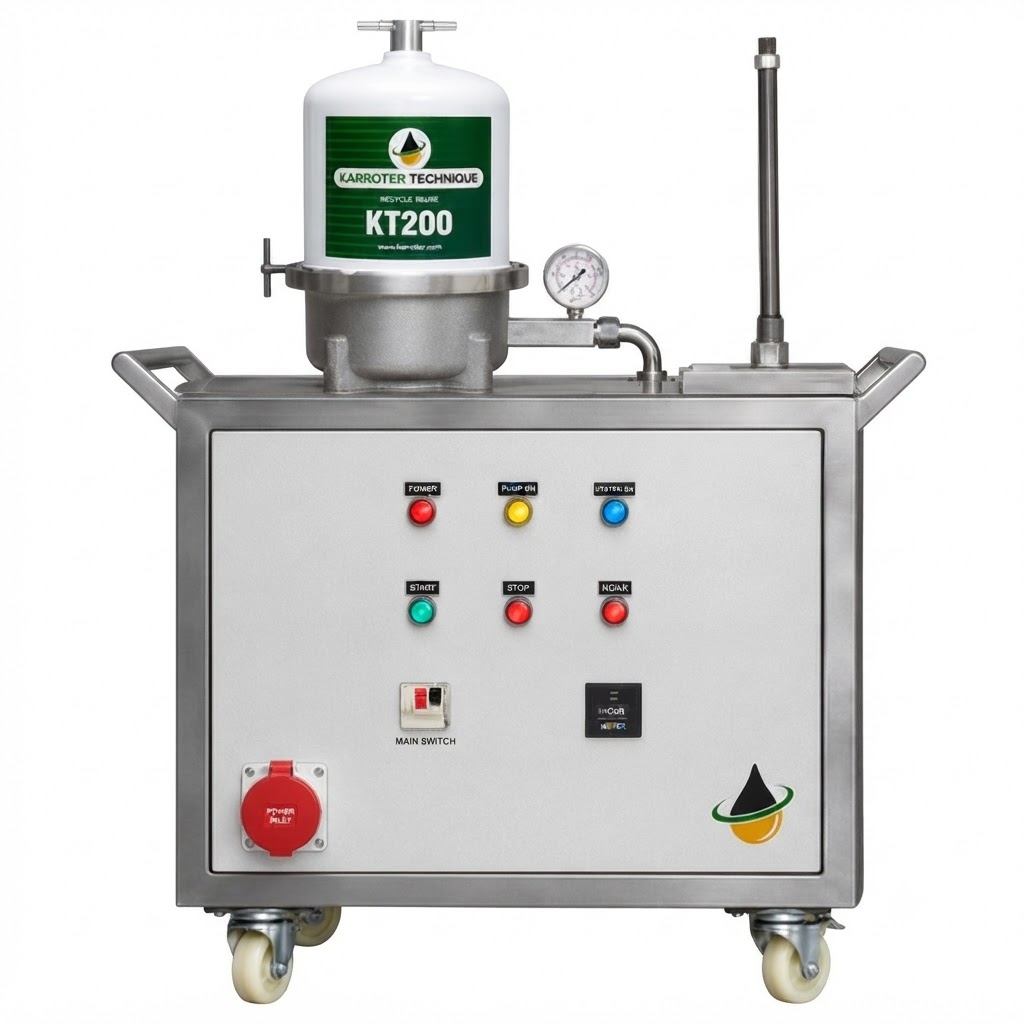
What Is an ELC Machine? Electrostatic Liquid Cleaning Explained
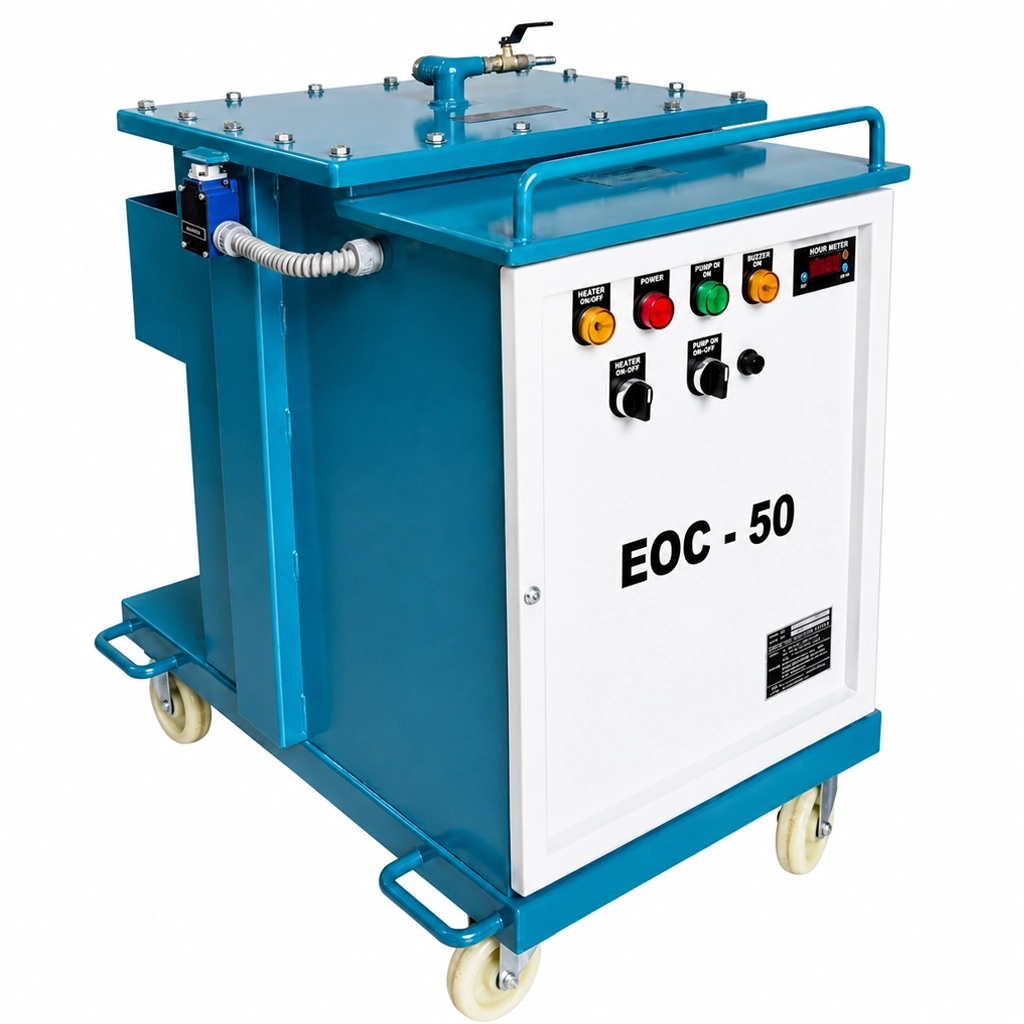
Clean industrial fluids are essential for maintaining reliable machinery, efficient operations, and consistent production. Oils and other process liquids can gradually accumulate fine particles, sludge, varnish, oxidation products, and other contaminants during normal operation. Although these contaminants may be extremely small, their continued circulation can affect lubrication, component performance, and overall equipment reliability. An ELC machine, or Electrostatic Liquid Cleaner, provides a specialized approach to removing many fine, non-metallic contaminants from industrial fluids. Learn more about our company and industrial oil purification expertise.
Electrostatic liquid cleaning works by using an electrostatic field to attract and capture suspended particles and soft contaminants from oil. Unlike conventional filtration methods that primarily rely on a physical filter medium, an ELC machine uses electrostatic principles to collect very fine contaminants. This makes the technology particularly useful as part of an advanced oil-cleaning and contamination-control strategy for industries that want to maintain cleaner fluids and protect valuable equipment.
- Electrostatic Liquid Cleaning Machine
- What Is an ELC Machine?
- How Does Electrostatic Liquid Cleaning Work?
- What Contaminants Can an ELC Machine Remove?
- Why Is Electrostatic Liquid Cleaning Important?
- Benefits of an ELC Machine
- Applications of ELC Machines
- ELC vs. Conventional Filtration
- ELC vs. Centrifugal Oil Filtration
- How to Choose the Right ELC Machine?
- Maintaining an ELC Machine
- Building a Better Industrial Oil-Cleaning Strategy
- Conclusion
- FAQs
Electrostatic Liquid Cleaning Machine
Electrostatic Liquid Cleaning machine provide specialized fluid-cleaning systems for industries where controlling fine contamination is important. These machines can be designed for different oil types, flow requirements, contamination conditions, and industrial applications. Depending on the system configuration, an ELC machine can be used as an independent cleaning solution or integrated with other technologies such as particulate filtration and dehydration. Experienced manufacturers can help industries evaluate their oil condition, identify suitable cleaning requirements, and select an ELC system that fits their equipment and maintenance strategy.
What Is an ELC Machine?
An ELC machine is a specialized cleaning system that uses electrostatic attraction to remove fine suspended contaminants from suitable industrial liquids, particularly oils.
During equipment operation, oil can become contaminated with extremely fine particles and soft contaminants generated by oxidation and thermal degradation. Some of these contaminants can be difficult to capture efficiently with conventional filtration alone.
An ELC system creates an electrostatic field inside the cleaning chamber. Contaminant particles acquire or respond to electrical charges and are attracted toward specially designed collection surfaces. The contaminants accumulate on the collector, while the cleaner liquid continues through the system.
The result is a controlled cleaning process designed to improve fluid cleanliness and support better oil-management practices.
How Does Electrostatic Liquid Cleaning Work?
The working principle of an ELC machine is based on electrostatic attraction.
Contaminated Oil Enters the System
Oil from a reservoir, lubrication circuit, hydraulic system, or other suitable application enters the ELC machine through the inlet.
An Electrostatic Field Is Created
Inside the cleaning chamber, an electrical field is generated between specially designed electrodes or collection elements.
Fine Contaminants Are Attracted
Fine particles and soft contaminants suspended in the oil respond to the electrostatic field. They migrate toward the collection surfaces rather than continuing through the oil circulation system.
Contaminants Accumulate on the Collector
The separated material gradually builds up on the collector surfaces. The collection process allows the system to continuously reduce certain forms of fine contamination.
Cleaner Oil Returns to the System
After passing through the electrostatic cleaning stage, the treated oil exits the machine and can be returned to the equipment or reservoir.
The process can continue for extended periods, allowing gradual improvement in oil cleanliness.
What Contaminants Can an ELC Machine Remove?
Electrostatic liquid cleaning is particularly useful for certain fine and soft contaminants that can circulate through oil.
Depending on the application and system design, ELC technology can help control contaminants such as:
- Fine suspended particles
- Oxidation products
- Varnish-forming materials
- Sludge
- Carbon-related contaminants
- Resinous deposits
- Soft degradation products
- Very fine non-metallic contamination
The actual performance depends on contaminant characteristics, oil condition, temperature, viscosity, and the design of the electrostatic cleaning system.
An ELC machine should therefore be selected according to the specific contamination problem rather than treated as a universal replacement for all other filtration technologies.
Why Is Electrostatic Liquid Cleaning Important?
Fine contamination can create problems even when oil appears visually clean. Small particles and degradation products can circulate continuously through sensitive components and contribute to deposits, restricted passages, and changes in oil performance.
Electrostatic cleaning provides industries with another option for managing these contaminants.
By continuously removing suitable fine contamination, an ELC machine can support a proactive oil-maintenance strategy. Instead of waiting until contamination becomes a significant operational issue, industries can incorporate continuous or periodic electrostatic cleaning into their equipment maintenance programs.
Benefits of an ELC Machine
- Effective Fine Contamination Control: ELC technology is designed to target fine contaminants that may be difficult to manage using conventional filtration alone.
- Helps Maintain Cleaner Oil: Continuous removal of suitable contaminants can help maintain better oil cleanliness during equipment operation.
- Supports Equipment Protection: Cleaner oil can help reduce the circulation of unwanted contaminants through bearings, gears, hydraulic components, and other sensitive parts.
- Helps Control Varnish and Sludge: Certain oxidation-related and soft contaminants can contribute to varnish and sludge formation. Electrostatic cleaning can help control these materials under suitable operating conditions.
- Supports Longer Oil Service Life: By managing contamination, an ELC system can support better oil-condition management and potentially reduce unnecessary oil replacement when the oil remains chemically suitable for continued use.
- Low-Consumable Operation: Depending on the system design, electrostatic cleaning can operate without the frequent replacement of conventional disposable filter cartridges.
- Suitable for Continuous Cleaning: ELC machines can be incorporated into oil circulation systems for ongoing contamination control.
Applications of ELC Machines
Electrostatic liquid cleaning technology can be valuable in industries where maintaining clean oil is important.
Turbine Oil Systems
Turbine lubrication systems require careful oil-condition management. Fine oxidation products and varnish-related contaminants can affect system performance, making electrostatic cleaning a useful contamination-control option.
Hydraulic Systems
Hydraulic equipment contains precision components that can be sensitive to oil contamination. ELC systems can help manage fine contaminants within suitable hydraulic oils.
Industrial Lubrication Systems
Industrial machinery depends on lubrication systems to control friction and wear. Electrostatic cleaning can support cleaner oil and preventive maintenance.
Gearboxes
Gear systems require clean lubrication to operate efficiently. Contamination control can help protect gears and bearings from unwanted particles and deposits.
Compressors
Compressor lubrication systems can benefit from consistent oil-quality management. ELC technology may be used to control fine contaminants in suitable applications.
Manufacturing Equipment
Manufacturing plants often operate multiple oil-dependent machines for extended periods. Electrostatic liquid cleaning can be incorporated into centralized or individual oil-maintenance systems.
Power Generation Equipment
Power-generation equipment requires reliable lubrication and contamination control. ELC technology can support oil purification strategies where fine contamination is a concern.
ELC vs. Conventional Filtration
ELC technology and conventional filtration approach contamination control differently.
Traditional filters generally use a physical filter medium to capture particles as oil passes through the element. Electrostatic liquid cleaning instead uses an electrical field to attract and collect fine contaminants.
This difference makes the two technologies potentially complementary rather than mutually exclusive.
A conventional filter may be used to handle larger particles, while an ELC system can focus on fine suspended contaminants and certain soft degradation products. Depending on the application, combining multiple purification technologies can provide a more comprehensive oil-management solution.
ELC vs. Centrifugal Oil Filtration
Centrifugal oil filtration uses rotational force to separate contaminants based largely on physical properties such as density. ELC technology uses electrostatic attraction to collect suitable fine contaminants.
The two technologies therefore address contamination in different ways.
For applications involving heavier solid contaminants, centrifugal filtration may be appropriate. Where fine, soft, or oxidation-related contaminants are a concern, electrostatic cleaning may provide additional value.
The best solution depends on the type of contamination, oil properties, equipment requirements, and desired cleanliness level.
How to Choose the Right ELC Machine?
Selecting an ELC machine should begin with an understanding of the actual oil contamination problem.
Consider the following factors:
- Type of oil or industrial fluid
- Oil viscosity
- Contaminant type
- Contamination concentration
- Required flow rate
- Oil reservoir capacity
- Operating temperature
- Required cleanliness level
- Continuous or periodic operation
- Available installation space
- Maintenance requirements
- Compatibility with existing filtration systems
Oil analysis is particularly useful when evaluating electrostatic cleaning because it can provide information about particle levels, varnish potential, oxidation, and other oil-condition parameters.
Maintaining an ELC Machine
Regular maintenance helps maintain consistent cleaning performance. Operators should inspect the collector elements and other system components according to the manufacturer's recommendations.
Collected contaminants should be removed at appropriate intervals. Electrical connections, pumps, seals, controls, and other components should also be inspected as part of routine maintenance.
Oil analysis can be used alongside the ELC system to monitor improvements in oil condition and determine whether additional purification or oil replacement is required.
Building a Better Industrial Oil-Cleaning Strategy
Modern industrial maintenance is increasingly focused on preventing problems rather than simply reacting to them. Electrostatic liquid cleaning can support this approach by continuously managing certain fine contaminants before they accumulate to problematic levels.
For industries with expensive equipment and critical production processes, maintaining oil quality can be an important part of protecting equipment investment. Combining ELC technology with appropriate filtration, dehydration, oil analysis, and preventive maintenance can create a comprehensive fluid-management strategy.
The goal is simple: cleaner fluids, better equipment protection, and more dependable industrial operation.
Conclusion
An ELC machine, or Electrostatic Liquid Cleaner, provides a specialized approach to industrial oil purification. By using electrostatic attraction to capture suitable fine and soft contaminants, the system can help industries manage contamination that may be difficult to address through conventional filtration alone.
From turbine and hydraulic systems to gearboxes, compressors, manufacturing machinery, and power-generation equipment, ELC technology can support a proactive approach to oil cleanliness and equipment maintenance.
The right system should always be selected according to the oil type, contamination characteristics, flow requirements, operating conditions, and equipment specifications. When combined with oil analysis and complementary purification technologies, an ELC machine can become a valuable part of an effective industrial oil-management program.
For industries looking to improve fluid cleanliness and protect valuable machinery, electrostatic liquid cleaning offers a practical technology for taking oil maintenance from a reactive process toward a more proactive and reliable strategy.
Explore our electrostatic liquid cleaning machine to learn more about the equipment and its suitability for your oil purification requirements.
FAQs
ELC commonly refers to Electrostatic Liquid Cleaning, a technology that uses electrostatic attraction to remove suitable fine contaminants from industrial liquids, particularly oils.
Depending on the application, an ELC machine can help remove fine suspended particles, sludge, oxidation products, varnish-forming materials, and other soft contaminants.
No. Conventional filtration generally uses a physical filter medium, while ELC uses an electrostatic field to attract and collect suitable fine contaminants.
By controlling suitable contaminants and degradation products, an ELC system can support better oil-condition management and potentially extend oil service intervals when the oil remains chemically suitable for continued use.
ELC machines can be used in turbine oil systems, hydraulic equipment, industrial lubrication systems, gearboxes, compressors, manufacturing machinery, and power-generation applications where fine contamination control is important. Visit our home page to explore our solutions, or contact us to discuss your application.
Need help choosing the right oil filtration or purification machine?
Talk to our team with your oil type, volume and contamination details and get a suitable recommendation.
Enquire Now WhatsApp UsExplore our home page for more industrial oil purification solutions, or contact us to discuss your application and requirements.