Why Industries Are Switching to Electrostatic Liquid Cleaning (ELC) Machines for Oil Purification
Industrial machinery is becoming more precise, automated and continuously operated. As equipment becomes more sophisticated, the quality of hydraulic and lubricating oil becomes increasingly important. Even small amounts of fine contamination can affect sensitive components, contribute to deposits and influence overall equipment reliability. Learn more about our company and industrial oil purification expertise.
For many industries, simply replacing oil whenever contamination becomes noticeable is no longer the only approach. Instead, companies are focusing more on oil purification, condition monitoring and preventive maintenance to maintain fluid quality over time.
This changing approach is one reason industries are showing greater interest in Electrostatic Liquid Cleaning (ELC) machines. An ELC machine provides a specialized method for removing selected fine contaminants and oil degradation products, making it a useful addition to modern industrial oil-management programs.
- The Shift from Oil Replacement to Oil Management
- What Is an Electrostatic Oil Cleaner?
- Why Fine Oil Contamination Matters
- Why Are Industries Considering ELC Machines?
- Industries Where ELC Machines Are Useful
- ELC Machine vs. Conventional Oil Replacement
- ELC and Conventional Filtration Can Work Together
- Operational Benefits of Using an ELC Machine
- What Should Industries Consider Before Switching?
- Choosing an Electrostatic Oil Cleaner Manufacturer
- The Future of Industrial Oil Purification
- Is Switching to ELC the Right Choice?
- Conclusion
- FAQs
The Shift from Oil Replacement to Oil Management
Traditionally, industrial oil maintenance often followed a simple cycle:
Oil Filling → Machine Operation → Contamination → Oil Replacement
Today, many industries are moving toward a more condition-based approach:
Oil Monitoring → Contamination Control → Continuous Cleaning → Oil Analysis → Preventive Maintenance
The objective is not simply to keep using the same oil for as long as possible. Instead, the focus is on maintaining oil cleanliness and chemical condition so that oil replacement is performed when it is actually required.
An ELC machine can support this approach by continuously treating oil in suitable applications.
What Is an Electrostatic Oil Cleaner?
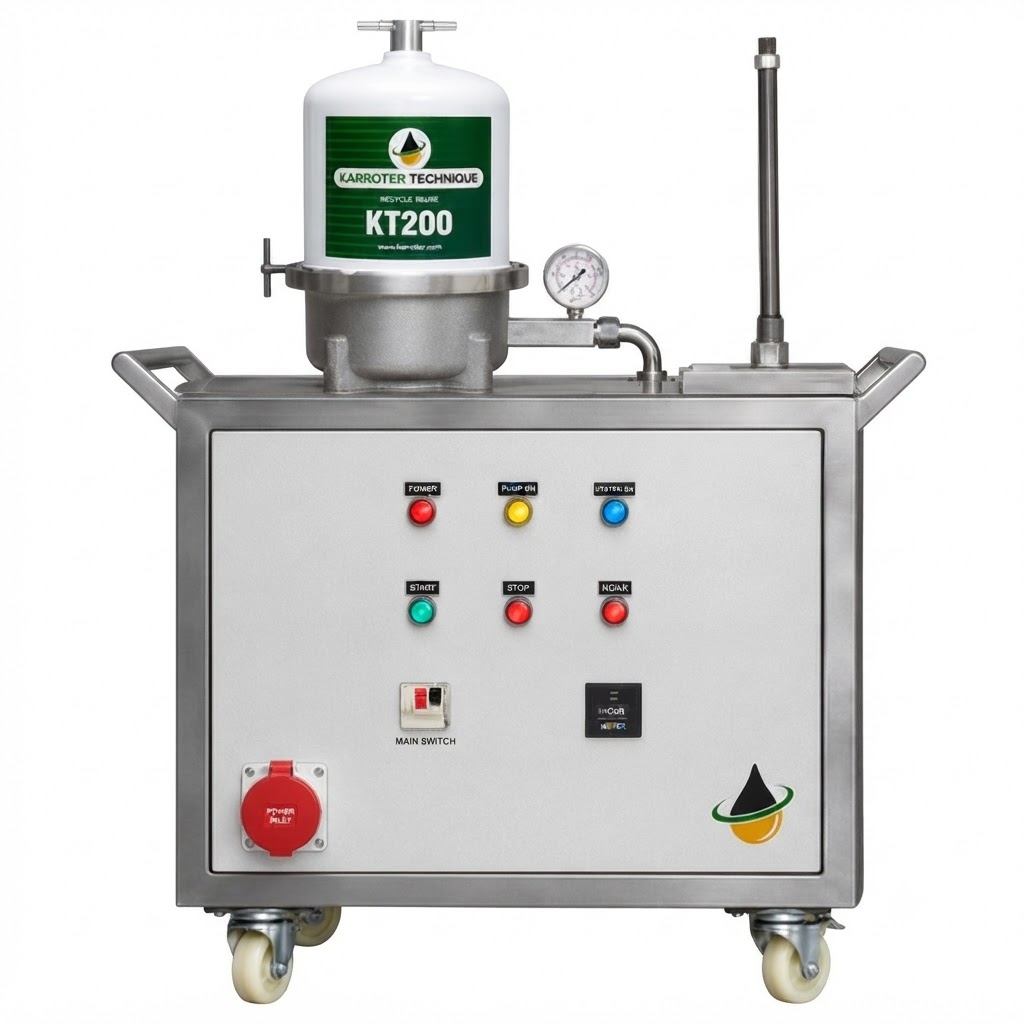
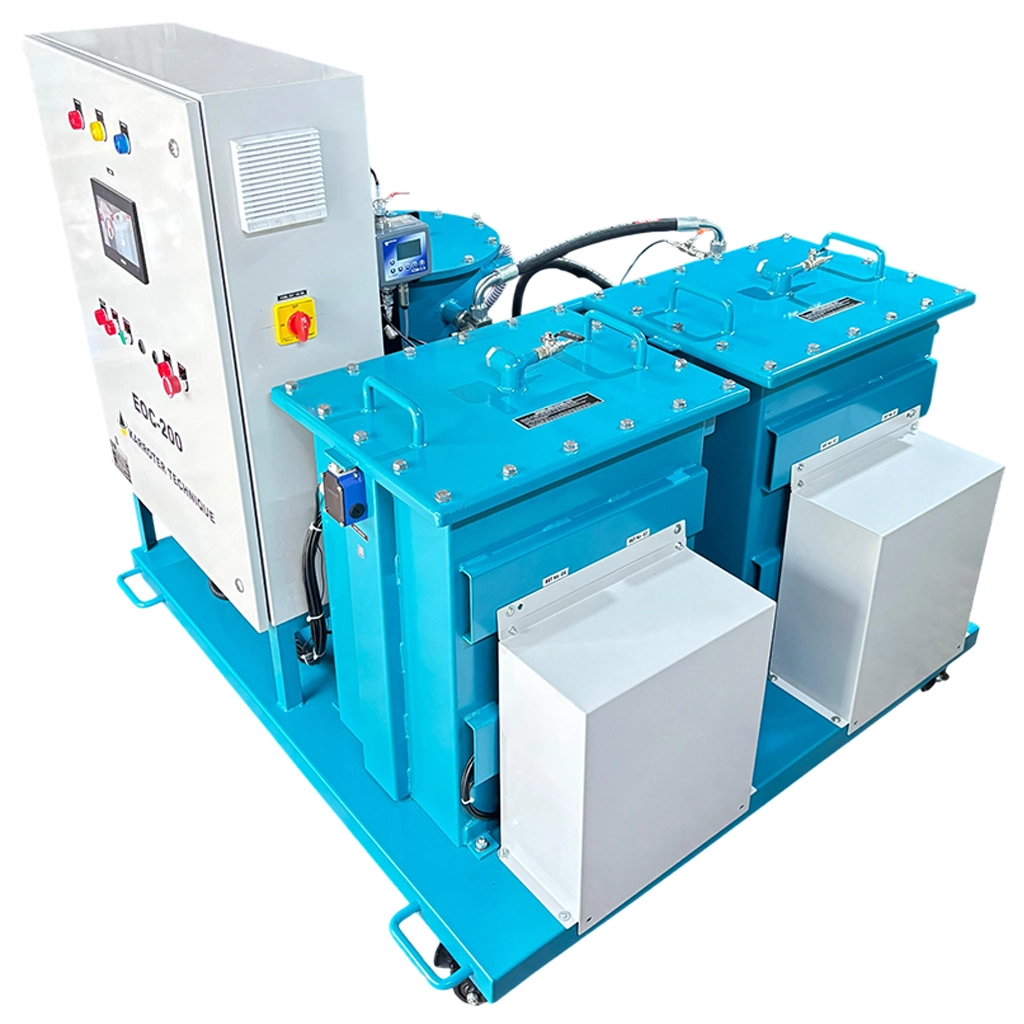
An Electrostatic Oil Cleaner, commonly referred to as an ELC machine, is designed to remove selected fine and polar contaminants from industrial oil.
The system uses an electrostatic field to attract contaminants toward collection surfaces. As oil passes through the cleaning chamber, suitable contaminants are separated from the fluid and collected.
The treated oil can then be returned to the equipment reservoir.
This type of cleaning is particularly relevant where very fine contamination, oxidation products, sludge or varnish-related materials are a concern.
Why Fine Oil Contamination Matters
One of the main reasons industries consider ELC technology is that not every contamination problem is visible.
Oil may appear relatively clean while still containing microscopic contamination.
Potential sources include:
- Fine wear particles
- Oxidation products
- Varnish precursors
- Sludge
- Resinous materials
- Carbon-related degradation products
- Fine non-metallic particles
- Environmental contamination
These materials can circulate through hydraulic and lubrication systems and may contribute to deposits or affect sensitive components.
For this reason, visual inspection alone is not enough to determine oil condition. Oil analysis and appropriate contamination monitoring provide a more reliable picture.
Why Are Industries Considering ELC Machines?
1. Better Control of Fine Contamination
Conventional filters are valuable for mechanical particle removal, but some very fine or chemically active contaminants require a different approach.
ELC technology uses electrostatic attraction to collect suitable fine contaminants. This gives industries another tool for managing contamination that may not be addressed effectively through a single filtration method.
2. Continuous Oil Conditioning
Many ELC machines can be installed in a kidney-loop arrangement.
In this configuration, oil is continuously taken from the reservoir, processed through the cleaning unit and returned to the system.
This creates an ongoing cleaning cycle rather than relying only on occasional oil changes.
3. Support for Preventive Maintenance
Modern maintenance programs increasingly focus on identifying problems before they result in unexpected equipment failure.
Regular oil analysis can reveal changes in contamination and fluid condition. Where appropriate, an ELC machine can then be used as part of the preventive maintenance strategy.
This makes oil cleanliness a monitored maintenance parameter rather than an afterthought.
4. Better Management of Varnish-Related Contamination
Varnish and oxidation-related deposits can become a concern in certain hydraulic and lubrication systems.
An ELC machine may help manage selected varnish-forming and oxidation-related contaminants by continuously removing suitable materials from the oil.
The effectiveness depends on the chemistry of the oil and the nature of the contamination.
5. Potentially Longer Oil Service Intervals
Cleaner oil can contribute to better fluid management, but oil cleanliness is only one factor affecting oil life.
Oxidation, thermal stress, additive depletion, moisture and chemical degradation also influence whether oil remains suitable for continued use.
Therefore, ELC cleaning should be viewed as a way to support oil condition rather than a guarantee of unlimited oil life.
Industries Where ELC Machines Are Useful
ELC technology can be considered across industries where clean hydraulic or lubricating oil is important.
Power Generation
Turbines and other power-generation equipment depend on reliable lubrication systems. Continuous oil conditioning can form part of a broader fluid-management program.
Manufacturing
Production machinery often operates for extended periods. Maintaining cleaner hydraulic and lubricating oil can support equipment reliability and preventive maintenance.
Steel and Metal Processing
Heavy industrial machinery can generate demanding operating conditions and significant contamination loads. Oil-cleaning systems can help manage fluid cleanliness where appropriate.
Cement and Construction Equipment
Large machines and hydraulic systems operate under demanding environmental conditions. Continuous oil conditioning can help support a structured contamination-control strategy.
Mining
Mining equipment commonly works in dusty, high-load environments. Hydraulic and lubrication oils can therefore require careful monitoring and purification.
Automotive and Engineering Plants
Hydraulic presses, machine tools, gearboxes and other equipment can benefit from systematic oil cleanliness management.
ELC Machine vs. Conventional Oil Replacement
Replacing oil completely can immediately introduce fresh fluid, but it also creates several practical considerations.
Oil replacement may involve:
- Purchasing new oil
- Draining existing oil
- Disposal of used oil
- Cleaning reservoirs
- Equipment downtime
- Labour requirements
- Refill and commissioning procedures
An ELC machine takes a different approach by continuously conditioning oil during operation or during an offline cleaning cycle, depending on the system configuration.
The best approach depends on the oil's chemical condition, contamination level and equipment requirements. Purification is not a substitute for replacing oil that has reached the end of its chemically useful life.
ELC and Conventional Filtration Can Work Together
Industries do not necessarily need to choose between conventional filtration and electrostatic cleaning.
The two technologies address contamination through different mechanisms.
A combined oil-cleaning arrangement may include:
Pre-Filtration → Conventional Particle Filtration → Electrostatic Cleaning → Oil Analysis → Continuous Monitoring
The actual configuration should be based on the type of oil and contaminants involved.
This layered approach can provide broader contamination control than relying on a single technology.
Operational Benefits of Using an ELC Machine
The move toward ELC technology is also connected with practical maintenance objectives. Potential benefits include:
- Continuous fine-contamination control
- Cleaner hydraulic and lubricating oil
- Support for varnish-related contamination management
- Reduced dependence on frequent oil replacement when oil remains suitable
- Support for preventive maintenance
- Reduced disruption associated with some cleaning activities
- Better visibility of oil condition when combined with oil analysis
- More systematic fluid-management practices
These benefits depend on correct system selection, installation and maintenance.
What Should Industries Consider Before Switching?
ELC technology is not automatically suitable for every oil system. Before purchasing an electrostatic oil cleaner, industries should evaluate:
- Oil Type: Determine whether the fluid is hydraulic oil, turbine oil, gear oil, circulating oil or another compatible lubricant.
- Contamination Type: Identify whether the main concern is particles, water, sludge, oxidation products, varnish or another contaminant.
- Oil Analysis: Laboratory or on-site oil analysis can help identify the actual condition of the fluid.
- Reservoir Size: The ELC machine should have a suitable processing capacity for the oil volume.
- Flow Rate: The required flow rate depends on reservoir size, cleaning objectives and equipment configuration.
- Operating Conditions: Temperature, viscosity and equipment duty cycle should be considered during selection.
- Existing Filtration: Review the current filtration system before adding ELC equipment. In many cases, complementary technologies can provide better overall contamination control.
Choosing an Electrostatic Oil Cleaner Manufacturer
Selecting the right manufacturer is an important part of implementing an ELC solution.
A suitable supplier should understand industrial oil applications and be able to evaluate the operating conditions rather than simply recommending a standard machine.
Consider factors such as:
- Machine construction
- Available capacities
- Electrical and control systems
- Safety features
- Collector design
- Installation requirements
- Maintenance support
- Replacement components
- Technical assistance
- Application experience
A technically appropriate machine combined with proper installation and support can make oil purification easier to manage over the long term.
The Future of Industrial Oil Purification
Industrial maintenance is gradually becoming more data-driven. Oil analysis, condition monitoring and predictive maintenance are helping companies make decisions based on actual equipment and fluid conditions.
Within this approach, electrostatic liquid cleaning can provide an additional method for controlling selected fine contaminants.
Rather than waiting until contaminated oil contributes to operational problems, industries can monitor fluid condition and introduce purification measures earlier when appropriate.
This supports a more proactive approach to equipment care.
Is Switching to ELC the Right Choice?
The decision should be based on the actual contamination problem rather than simply following a technology trend.
For systems experiencing fine contamination, oxidation-related products, sludge or varnish-related concerns, an ELC machine may provide a useful oil-conditioning solution.
For applications dominated by water contamination, heavy particles or other specific problems, different purification technologies may be more appropriate.
In many industrial systems, the most effective strategy is a combination of oil analysis, conventional filtration, electrostatic cleaning and preventive maintenance.
Conclusion
The growing interest in Electrostatic Liquid Cleaning (ELC) machines reflects a broader change in industrial oil management. Industries are increasingly looking beyond periodic oil replacement and focusing on continuous contamination control, condition monitoring and preventive maintenance.
An electrostatic oil cleaner can help manage selected fine contaminants, oxidation products and varnish-related materials while supporting cleaner hydraulic and lubricating oil.
However, successful oil purification depends on selecting the right technology for the actual contamination problem. When ELC is appropriately integrated with oil analysis, conventional filtration and regular maintenance, it can become a valuable part of a modern industrial fluid-management strategy.
Explore our electrostatic liquid cleaning machine to learn more about the equipment and its suitability for your oil purification requirements.
FAQs
Industries may use ELC machines to manage selected fine contaminants, oxidation products, sludge and varnish-related materials while supporting continuous oil conditioning.
They work differently and serve different purposes. ELC can complement conventional filtration when fine or polar contaminants are a concern.
Oil purification can support longer oil service intervals when the oil remains chemically suitable. However, oil life also depends on oxidation, additive condition, temperature, moisture and other factors.
They can be considered for hydraulic systems, turbine lubrication, industrial gearboxes, compressors, manufacturing equipment and other compatible oil systems.
Not in every situation. If the oil has severe chemical degradation or has reached the end of its useful life, replacement may be necessary. ELC is better viewed as a tool for ongoing oil-condition management. Visit our home page to explore our solutions, or contact us to discuss your application.
Need help choosing the right oil filtration or purification machine?
Talk to our team with your oil type, volume and contamination details and get a suitable recommendation.
Enquire Now WhatsApp UsExplore our home page for more industrial oil purification solutions, or contact us to discuss your application and requirements.